Thursday, May 23, 2013
is gluten really bad?
You hear and see it everywhere.
Gluten-free.
It's been sweeping the blogosphere, supermarkets, and health magazines. With Paleo infiltrating the world of nutrition and health, grains have been shunned and gluten seems to have become a four letter word.
And even more so, it seems that going gluten-free is becoming increasingly more popular for people seeking weight loss.
But with so much nutrition information put on the internet, it has become almost impossible to decipher what's credible and what's not. And with so much conflicting nutrition information out there- it's enough to have you changing your eating habits every day. And man, that's exhausting.
Now, you might disagree with me...but this is my professional opinion based on research. I'm hoping I can lend some insight and clear up the confusion. With that said, people with celiac disease should avoid gluten at all costs, no matter what. But if you don't have celiac disease, I wouldn't kick gluten to the curb just yet.
Gluten is not bad. Going gluten-free is not a ticket to weight loss. And just because you have some degree of digestive problems does not necessarily mean gluten is the cause.
But just like you wouldn't date or marry just anyone, you gotta be a choosey with what gluten you choose to eat too.
Because it ain't all created equal.
Many modern day gluten sensitivities are actually manifestations of chronic inflammation in the intestinal tract. And the integrity of our digestive system is the foundation of our health. Eating a diet of processed food, sugar, alcohol, poor quality meat, and dairy can cause a lot of stress and damage to the microflora and intestinal cells. Therefore, if the intestinal tract has had to endure years of stress brought on by poor food choices, it's not going to be very good at digestion period. Kind of like if you put diesel in your car, it will run, just not very efficiently.
Furthermore, the food industry has completely abused gluten, processed the crap out of it and then putting it into almost everything you find on supermarket shelves. There is a big, huge difference between gluten found naturally in grains such as barley, rye, and spelt and gluten found in a granola bar, cereal, or wheat bread. Additionally, wheat today just isn't the same wheat that was grown 100 years ago. The American food industry has messed that one up too.
In the 1950s, scientists began cross-breeding wheat to make hardier, shorter, and faster growing plants. This boosted harvests worldwide and resulted in a much larger crop yield. Great for farmers, but not so great for consumers. Our bodies don't recognize modern day wheat and therefore it doesn't know how to properly digest it. It's like giving a lawyer a knife and asking them to perform surgery. As hard as they try, they just don't know how.
So, even 100% whole wheat products really aren't as nutritious as we think. They've most likely been super processed even if it's organic and touts the label "no preservatives or artificial flavors."
But gluten in it's natural form that hasn't been genetically modified by scientists isn't all bad. Barley, oats, rye, and sprouted grains such as Ezekial breads are part of a healthy diet if consumed in moderate amounts. But regardless of gluten, we should all be making the foundation [50-60%] of our diets fruits and vegetables.
Filling up your diet with clean, natural, whole foods eliminates a lot of gluten anyways. Quinoa, buckwheat, millet, sweet potatoes, regular potatoes, [gf] oats, amaranth, nuts, seeds, beans, lentils, fruits and vegetables are all naturally gluten free.
So, it's not the gluten that's the issue, but rather the kind of gluten and the quantity of gluten we are consuming. If you're having digestive problems, I'd highly recommend cleaning up your diet and filling it with lots of fruits and vegetables, gluten free natural grains, plant based protein, and healthy fats [nuts, seeds, avocado, coconut] to decrease stress and inflammation.
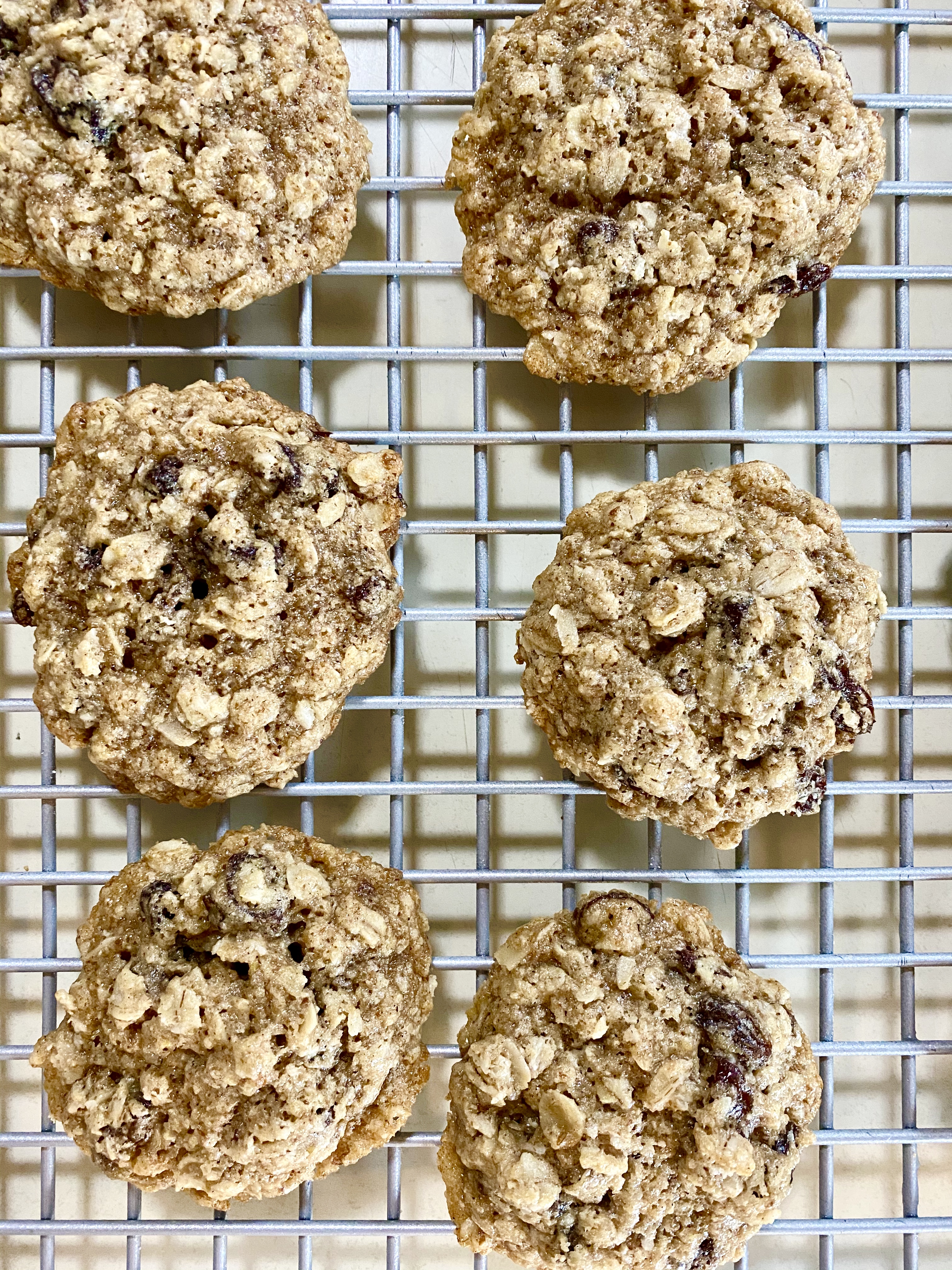
And with that said, I think it's time for a cookie.
Subscribe to:
Posts (Atom)